Case study: Elephant & Castle Town Centre (ECTC), London

Calendar 25 February 2026
Project:

Elephant & Castle Town Centre (ECTC)

Developer:

Get Living

Main Contractor:

Multiplex

Project Summary

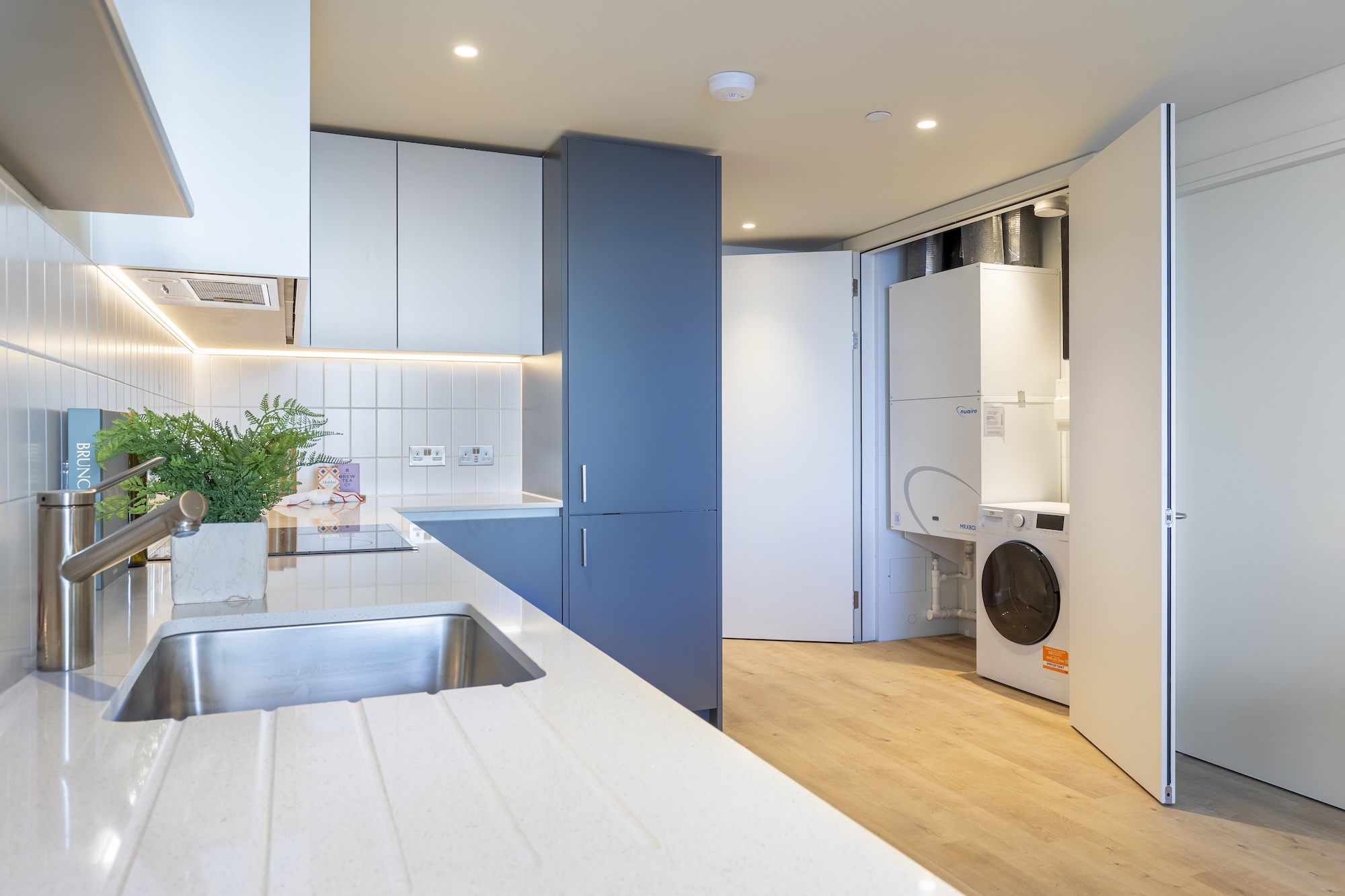
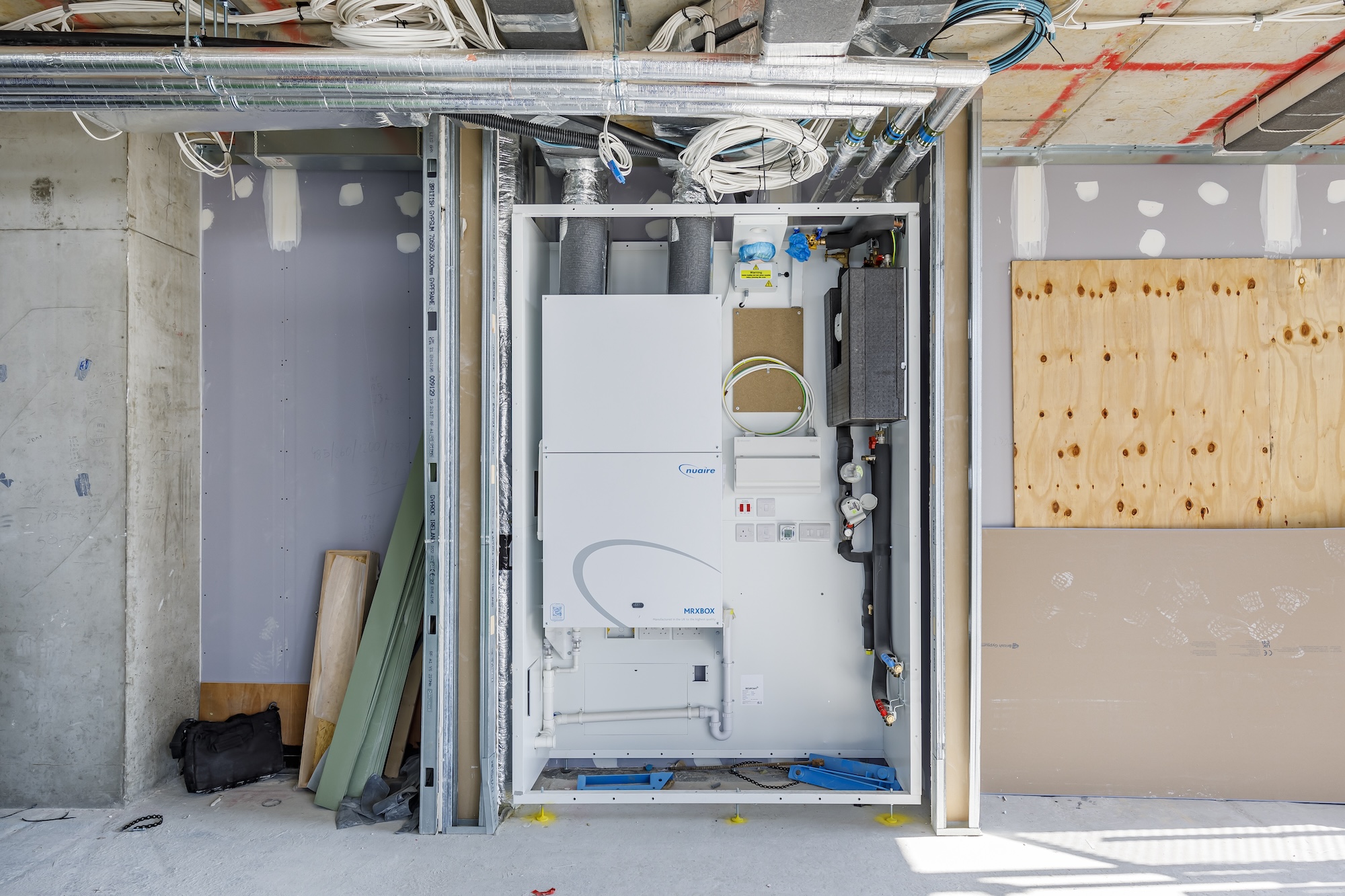
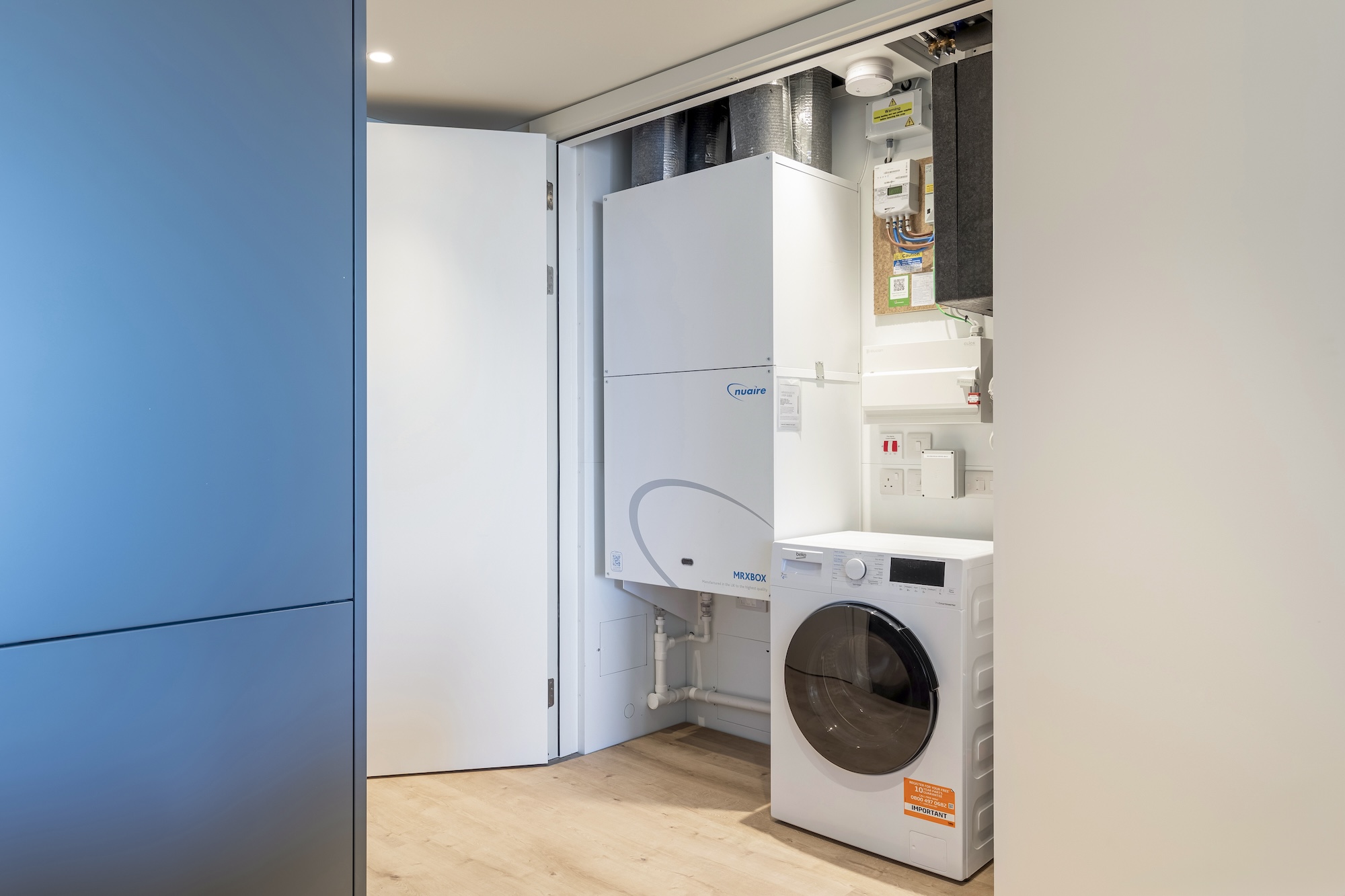
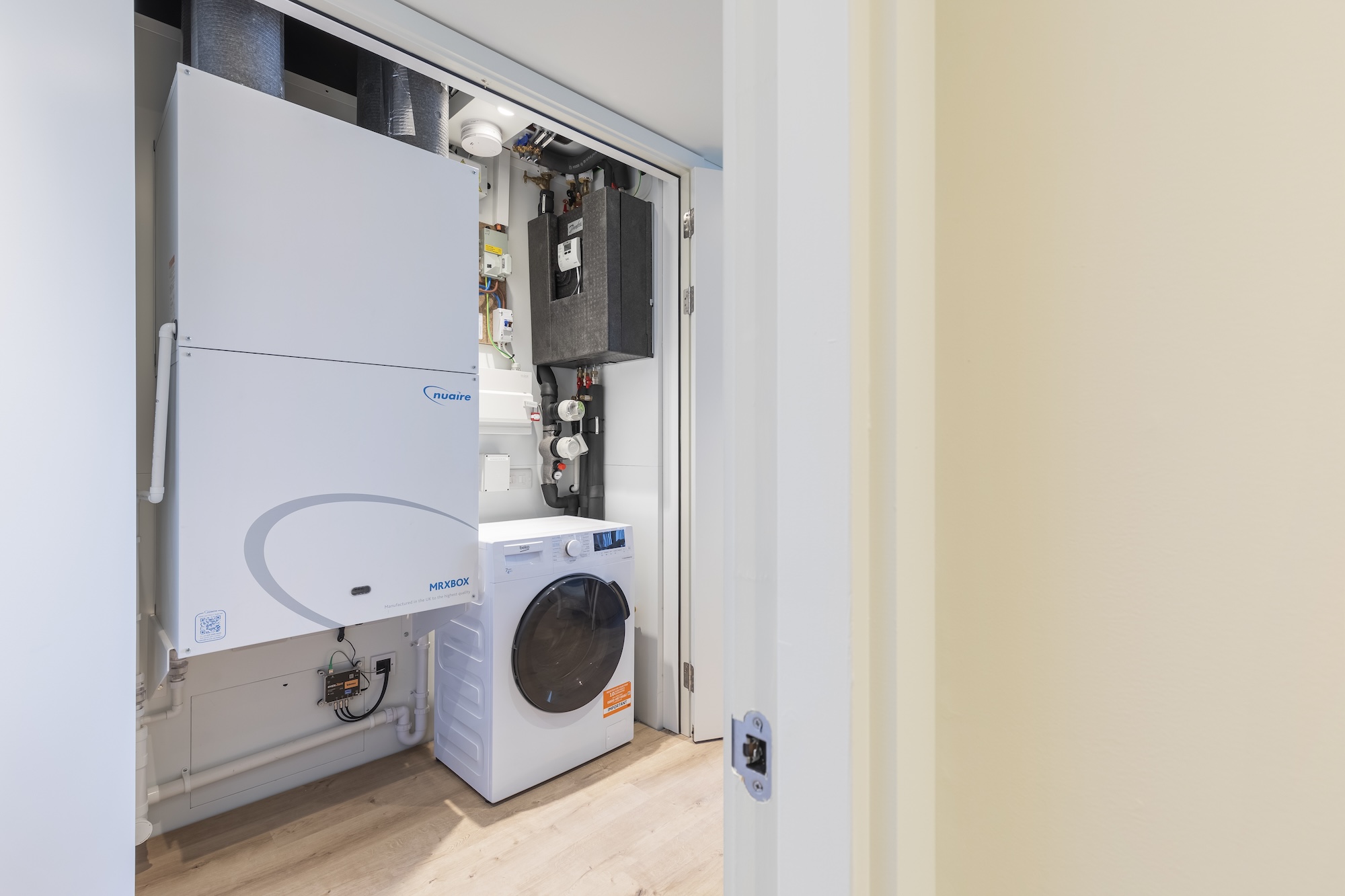
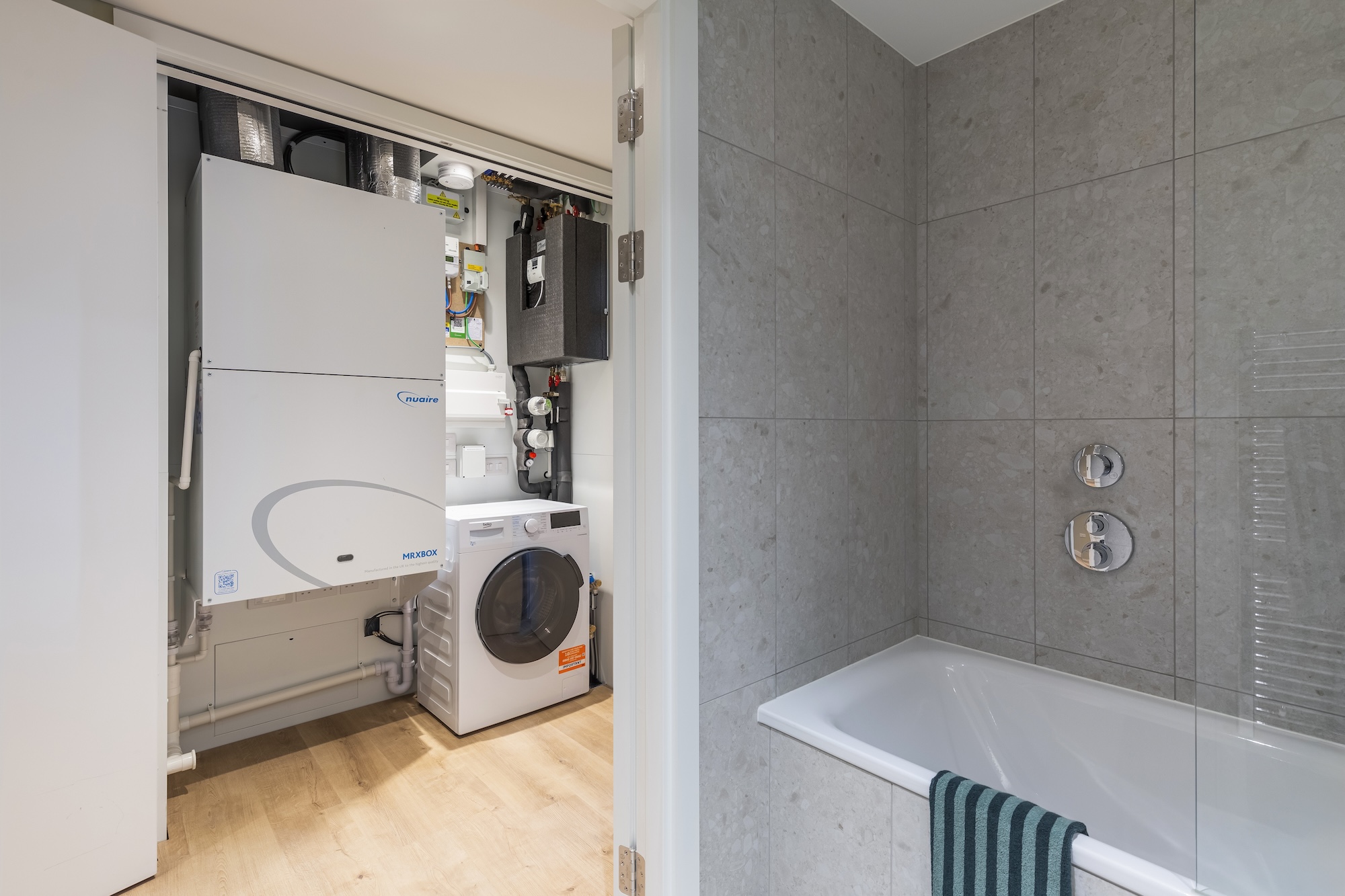
Resipoint’s prefabricated utility rooms helped Multiplex solve a tough services challenge at Elephant & Castle Town Centre: squeezing MVHR with cooling, dual water meters, and washing machine services into tight cupboards while staying fully compliant.

The result: consistent quality across 485 apartments, fewer on-site headaches, and far greater programme confidence.

“There are huge benefits in time and quality with using prefabricated units. If you can get the design right, it makes your programme logistically so much easier on site. ”

Nicole Ransom, Package Manager – Building Services at Multiplex

The project

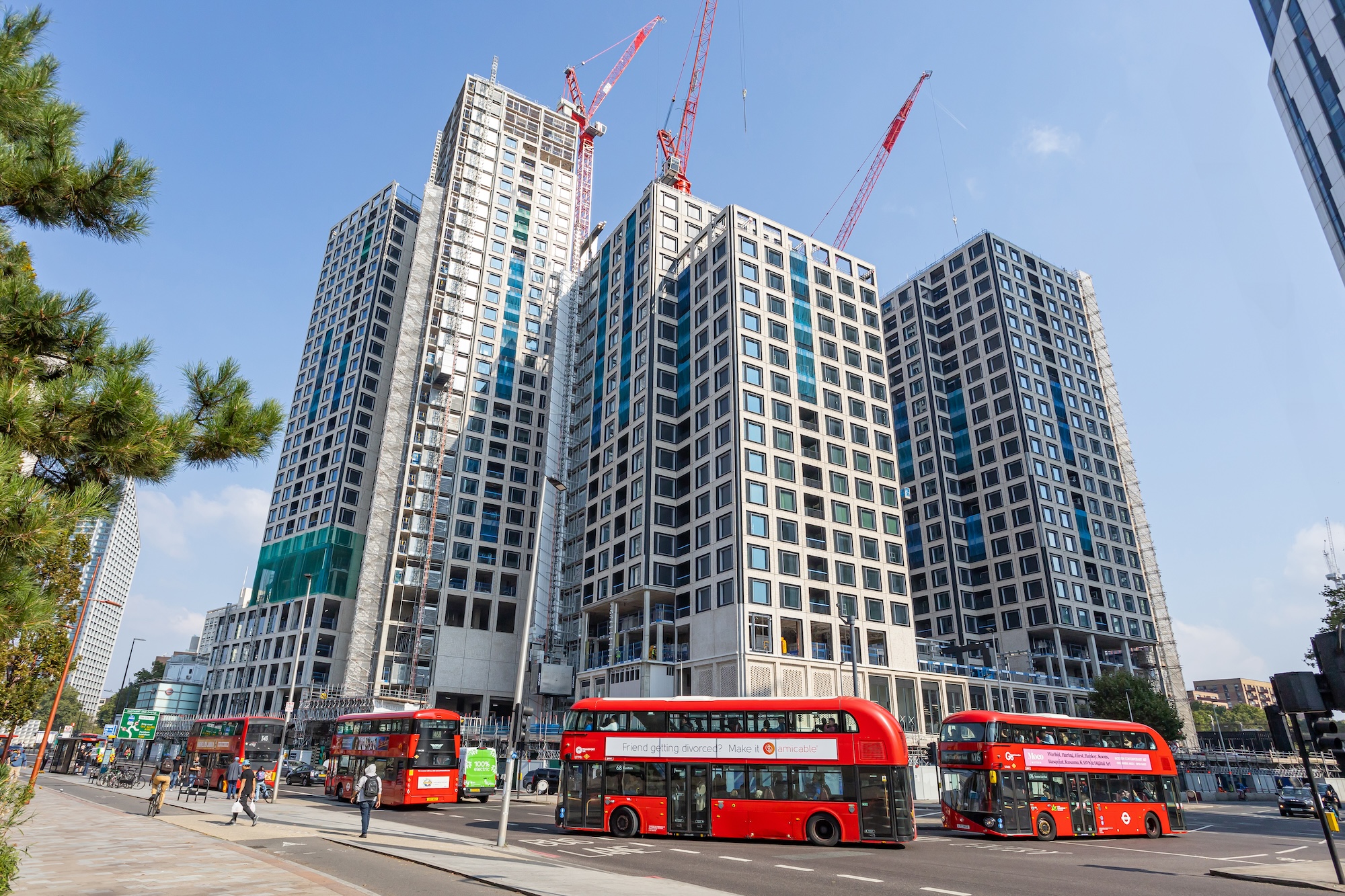
Elephant & Castle Town Centre is one of London’s most ambitious regeneration projects – delivering 485 new homes, a new integrated Northern and Bakerloo line ticket hall, and a new campus for the London College of Communication (UAL). The development is built around a reimagined public square designed to serve a vibrant and growing community.

This scale, complexity and public importance placed significant pressure on every element of the build, particularly within the residential apartments, where space was limited and quality, compliance, and long-term serviceability were non-negotiable.

The challenge

From an M&E perspective, the project presented several key spatial challenges.

Each apartment needed to fit a Mechanical Ventilation with Heat Recovery (MVHR) system with an integrated cooling module, but the utility cupboard space was extremely constrained:

  • Door heights required the MVHR to be installed unusually low to maintain access for maintenance
  • Cupboard depths were shallow, requiring tight coordination to ensure the washing machine could fit without interfering with the door
  • The design required two separate water meters, compounding space pressures
  • The absence of a wet floor build-up required complex base-frame coordination to allow finished floors to pass above the frame and radiator pipework below it

At the same time, the project had to comply with a complex regulatory environment, including:

  • Manufacturer-specific installation requirements
  • Long-term serviceability and access to simplify future maintenance and replacement of faulty equipment
  • Part M accessibility requirements
  • G3 hot water safety regulations

The scale and complexity of the spatial constraints meant traditional on-site construction was simply not viable. Prefabrication was the only way to accommodate all required services within the tight space while ensuring consistent M&E precision across the project.

The solution

Resipoint worked in close collaboration with the project team, leading a highly iterative design and coordination process to address multiple spatial and technical challenges.

The solution involved:

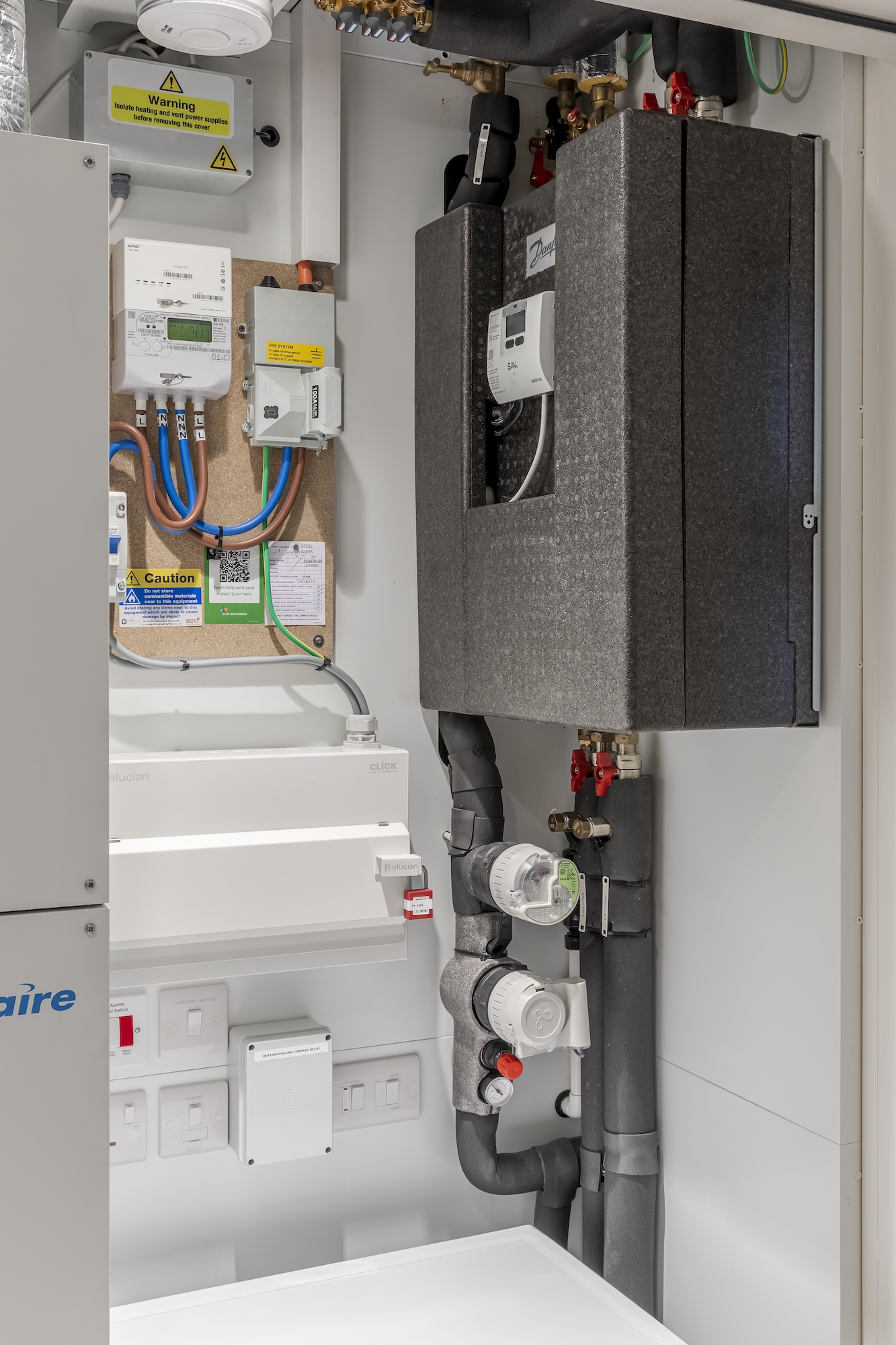
  • Relocating the Heat Interface Unit (HIU) to the side wall, freeing critical internal cupboard volume
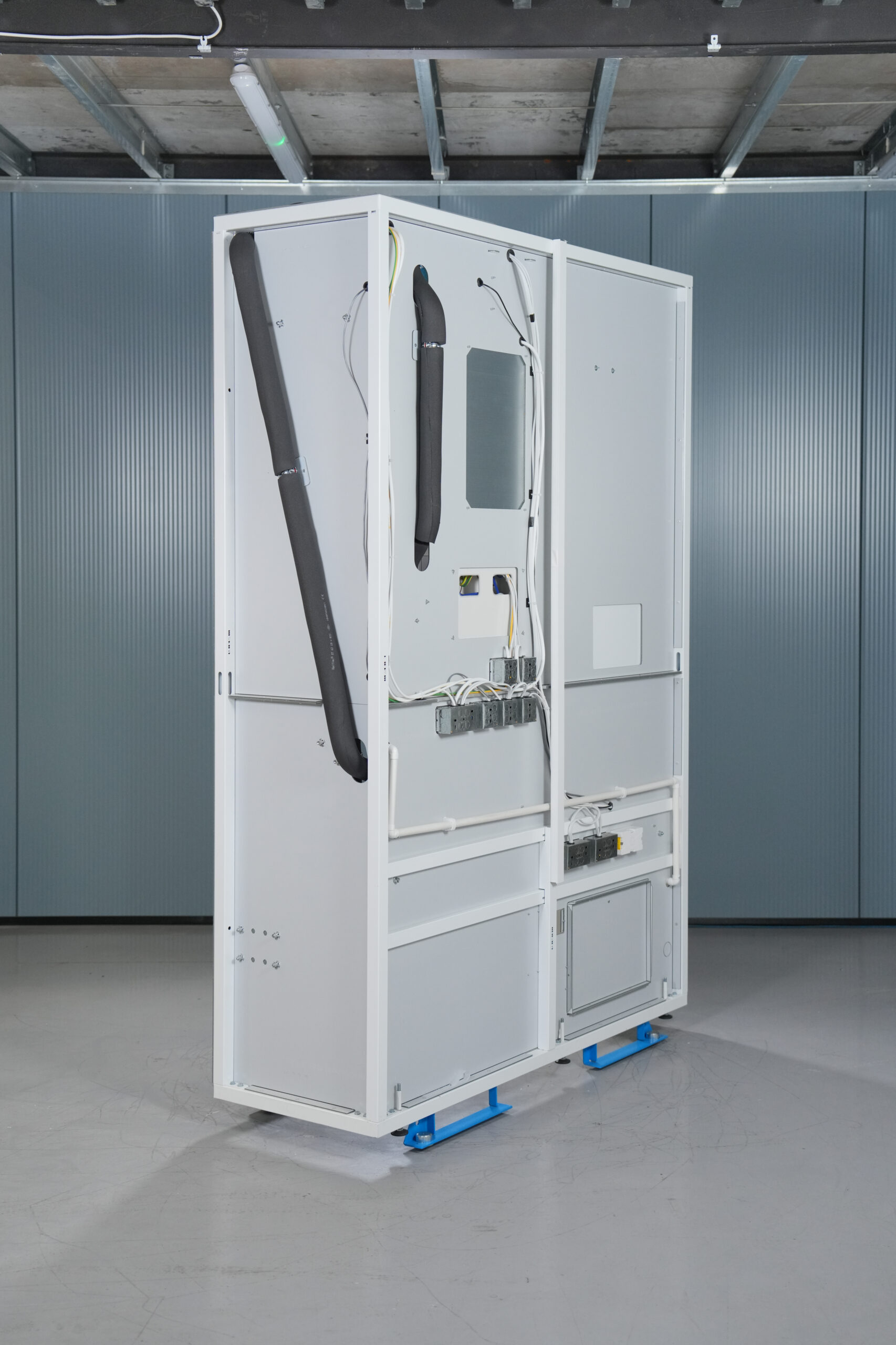
  • Use of in-house CNC pipe bending technology to run jointless pipework behind walls and around the unit, allowing complex routing in minimal space while reducing fittings, joints and failure points
  • Wall-mounting the MVHR with cooling module, enabling telecoms equipment and pipework to be installed beneath it – a solution that would not be achievable with traditional floor-mounted MVHR systems
  • Development of a bespoke base frame system that allowed finished floors to pass above the frame while radiator pipework ran below it

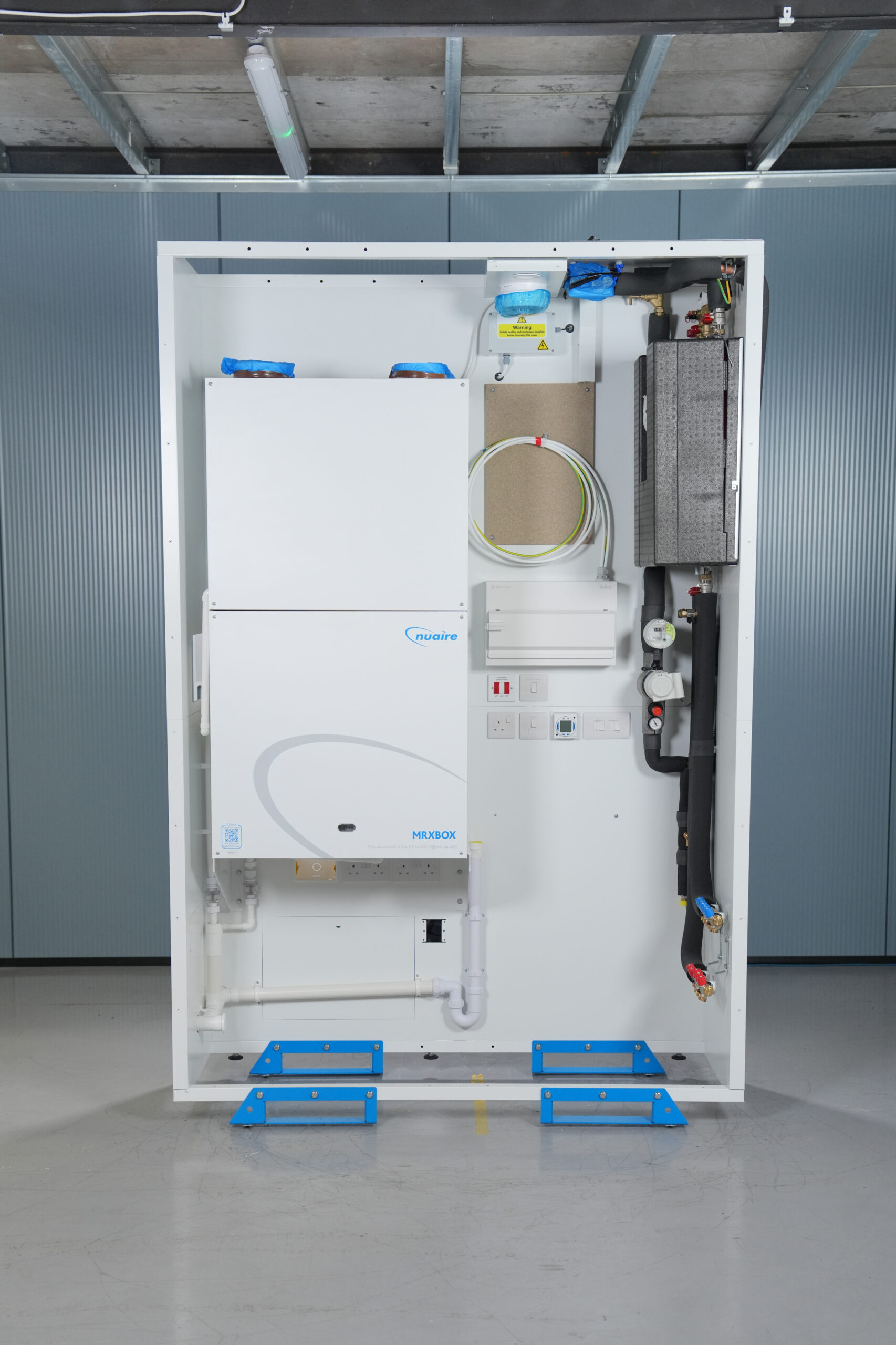
All units were factory-built, assembled, and tested within a controlled manufacturing environment and multi-stage QA process in Gloucester. Integrated services included:
Mechanical

  • Heat Interface Unit (HIU)
  • MVHR unit with cooling module
  • DHW manifolds
  • Radiator manifold
  • Mains water stopcock
  • Tenant valve
  • Secondary water meter and meter carrier
  • Washing machine water supply and waste
  • Condensate pipework for MVHR and cooling module

Electrical

  • Lockable consumer unit
  • Meter board and fused cut-off switch
  • Smoke detector and hush switch
  • Heating time switch
  • Switches, sockets and fused spurs
  • Provision for ONT, router and telecoms equipment
  • Electrical sockets and accessories
The results

Resipoint’s prefabricated utility rooms enabled the project team to deliver an M&E solution that would otherwise have been unbuildable using traditional onsite methods.

In particular, Resipoint helped the project team:

  • Solve extreme space constraints without altering apartment layouts
  • Integrate MVHR cooling, HIU, telecoms, dual water metering, and washing machine services into a single compact footprint
  • Simplify compliance with regulatory, accessibility, and manufacturer requirements
  • Deliver consistent M&E quality across 485 apartments
  • Ensure long-term maintainability and service access within confined spaces

The solution showcases how offsite manufacture helps deliver technically complex, space-constrained residential developments with confidence and precision at scale.

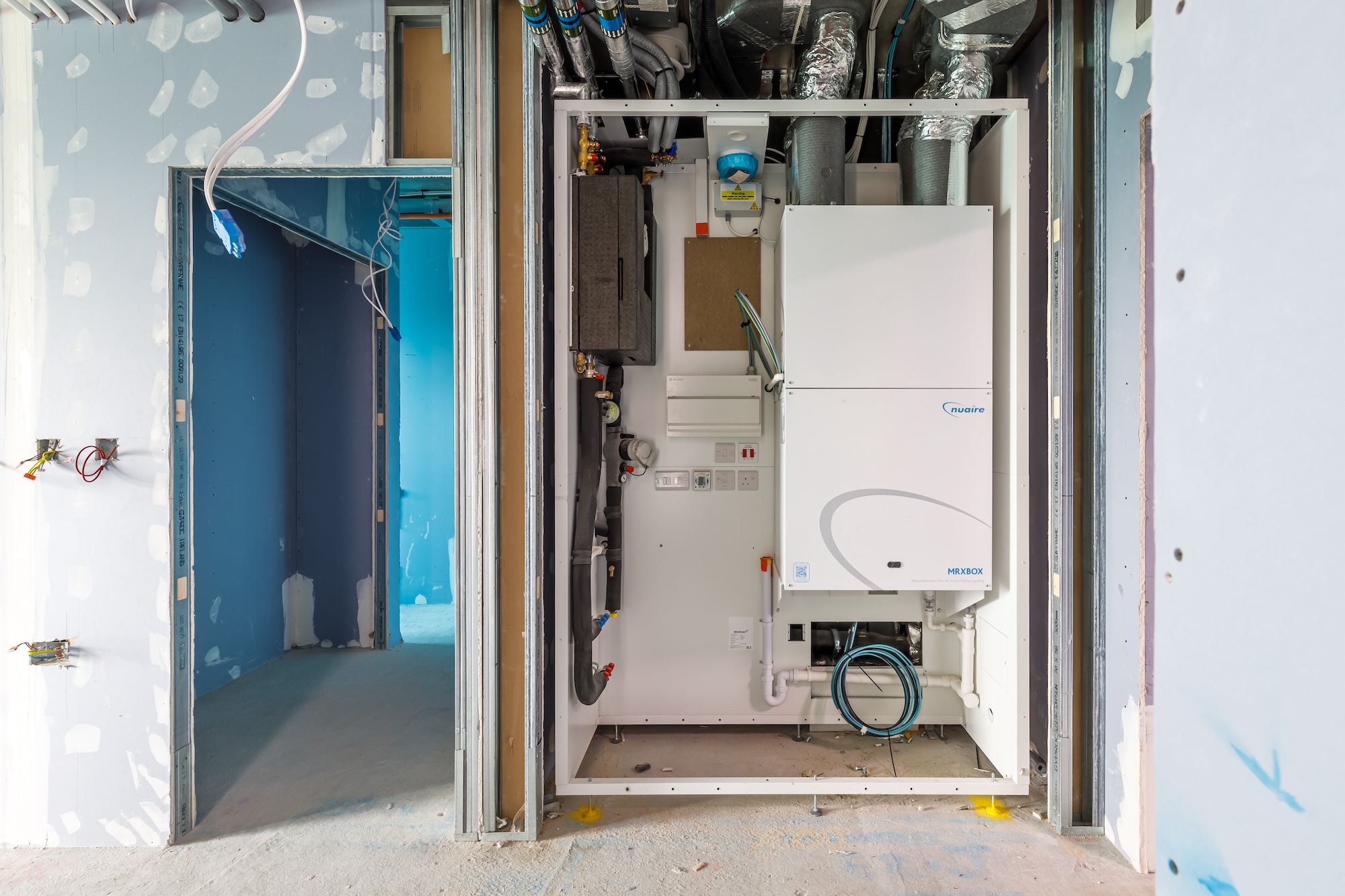
But there’s more. According to Nicole Ransom, Package Manager – Building Services at Multiplex, “One of the main headaches with coordinating the utility cupboards onsite is sequencing of labour. You have dryliners, mechanical and electrical engineers, plumbers, and more – and they often have to come back multiple times. So having a plug and play solution, like Resipoint’s prefabricated utility cupboards, makes it a lot easier. We just had to build the walls, bring in the units, install them, and then have the utility trades plug in their services.”

Discover how Resipoint can help you transform complex M&E coordination into simple, standardised delivery.
SPEAK TO OUR EXPERTS

Constructionline logo